Key Takeaways
- Low impact exercises help older adults stay active while reducing strain on joints and muscles.
- Walking, tai chi, water aerobics, chair exercises, and stretching all support mobility and balance.
- Consistent movement habits are often more effective than intense or difficult workouts.
- Seniors may feel more comfortable exercising when activities match their mobility and fitness levels.
- Small daily movement routines at home can support strength, circulation, and flexibility.
- Social support and safe exercise spaces can help older adults stay motivated and active.
Why Movement Still Matters at Every Age
As people age, staying physically active can start to feel more challenging. Joint discomfort, reduced mobility, and lower energy levels may make certain forms of exercise feel unrealistic or intimidating. Still, regular movement remains one of the most effective ways to support long-term strength, balance, flexibility, and independence. Even gentle physical activity can help older adults live a healthier and more active lifestyle.
Activities like walking, stretching, chair exercises, and water aerobics help older adults stay active without placing excessive strain on the body. These exercises can support mobility, circulation, coordination, and overall well-being while remaining approachable for a wide range of fitness and mobility levels.
Top Low Impact Exercises to Help a Loved One Try
Many low-impact activities provide meaningful physical benefits while remaining easier on aging joints and muscles. The key is finding movements that feel comfortable, manageable, and realistic to maintain over time. And with National Senior Health & Fitness Day on May 27, there’s no better time to build healthy movement habits that feel realistic and sustainable.
Walking
Walking remains one of the most accessible forms of exercise for older adults. It can support circulation, balance, mobility, and lower-body strength without requiring special equipment or training. Even short walks throughout the week can help seniors build more consistent movement habits.
Tai Chi
Tai chi uses slow, controlled movements that help support balance, coordination, and flexibility. Because the movements are gentle and low impact, many older adults find tai chi easier on the joints than more strenuous workouts. The practice also encourages focus and controlled breathing, which can create a calming experience.
Water Aerobics
Water aerobics allows older adults to stay active while reducing pressure on the joints. The water supports body weight during movement, which can make exercise feel more comfortable for seniors with arthritis or mobility concerns. Water also provides natural resistance that helps strengthen muscles without heavy strain.
Chair Exercises
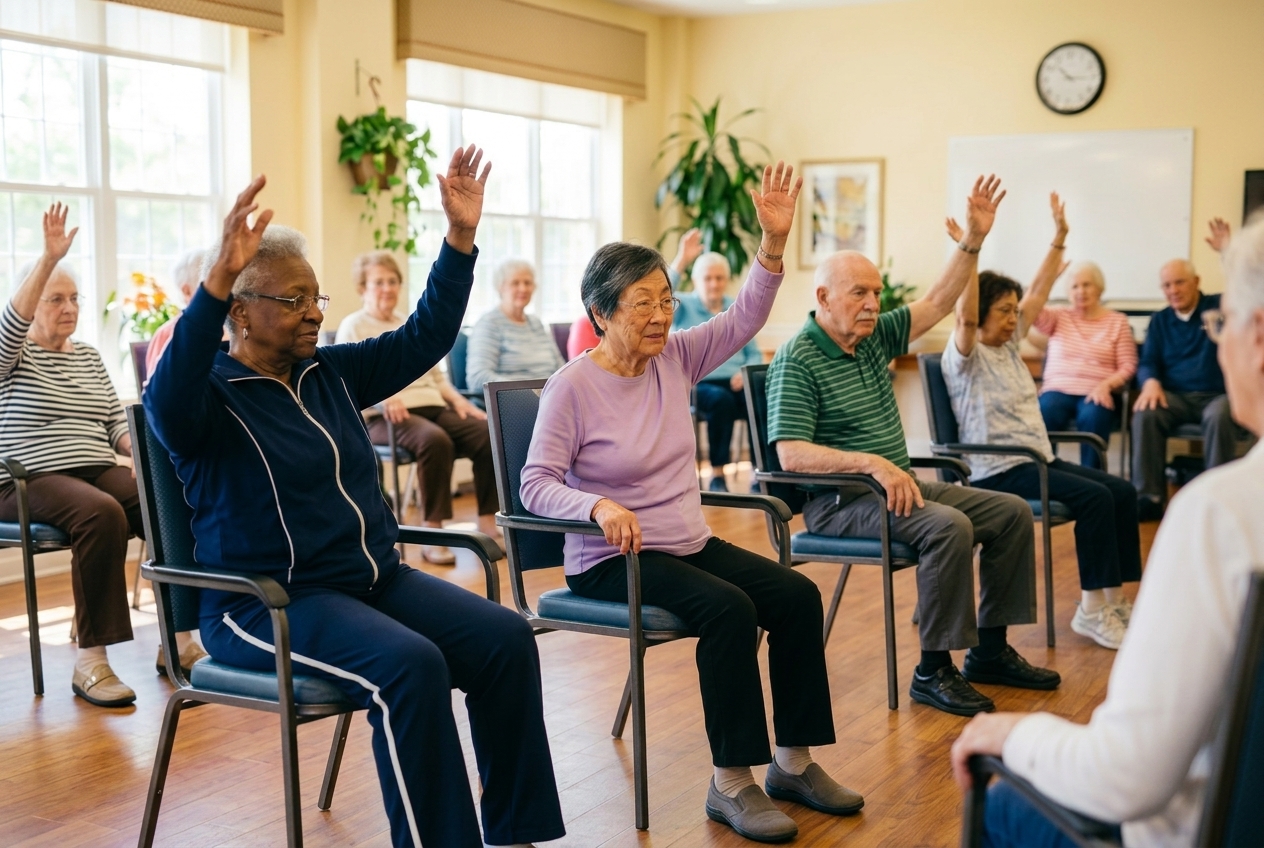
Chair exercises provide a practical option for older adults who need additional stability during movement. Seated leg lifts, arm raises, and gentle marching exercises can help encourage circulation and maintain muscle strength. These exercises also work well for seniors who feel uncomfortable with standing workouts or have balance concerns.
Gentle Stretching and Yoga
Gentle stretching and senior-friendly yoga can help improve flexibility, posture, and range of motion. Regular stretching can also help reduce stiffness and support more comfortable daily movement. Many yoga movements can be modified using chairs or other supportive equipment when needed, so yoga is highly accessible to people of all abilities.
Simple Tips to Help a Loved One Exercise Safely and Consistently
Building an exercise routine does not require dramatic changes or difficult workouts. In many cases, small and consistent movement habits are more sustainable and beneficial over time.
It helps to encourage them to:
- Start slowly and build activity levels gradually over time.
- Choose exercises that match current mobility and comfort levels.
- Encourage supportive footwear and proper hydration during activity.
- Focus on safe movement and proper form rather than speed or intensity.
- Incorporate movement into existing daily routines whenever possible.
- Speak with a healthcare provider before beginning unfamiliar exercise programs.
Consistency often develops more naturally when movement feels approachable instead of demanding.
How to Help a Senior Stay Active at Home
Exercise does not always require a gym, fitness center, or formal workout routine. Small opportunities for movement throughout the day can still provide meaningful benefits.
Create Small Daily Movement Habits
Short periods of movement throughout the day can feel more manageable than long exercise sessions. A loved one might take a short walk after meals, complete gentle stretches in the morning, or practice seated exercises while watching television. Breaking activity into smaller sessions can also help reduce fatigue or discomfort.
Make Physical Activity More Social
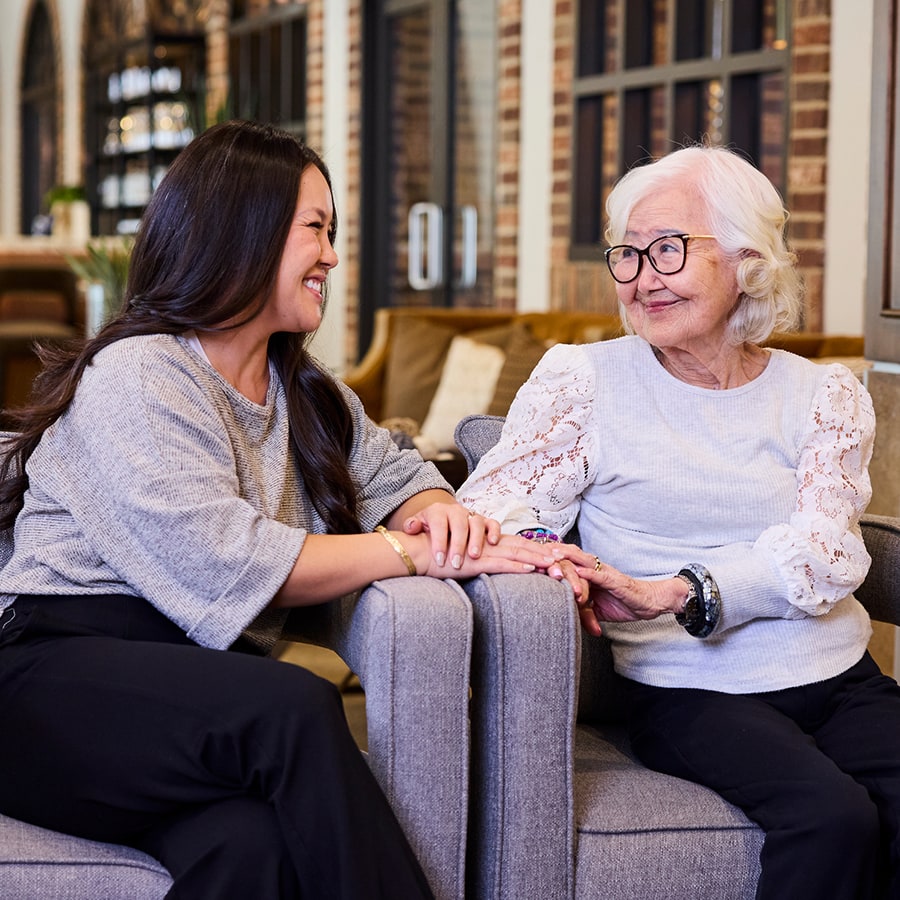
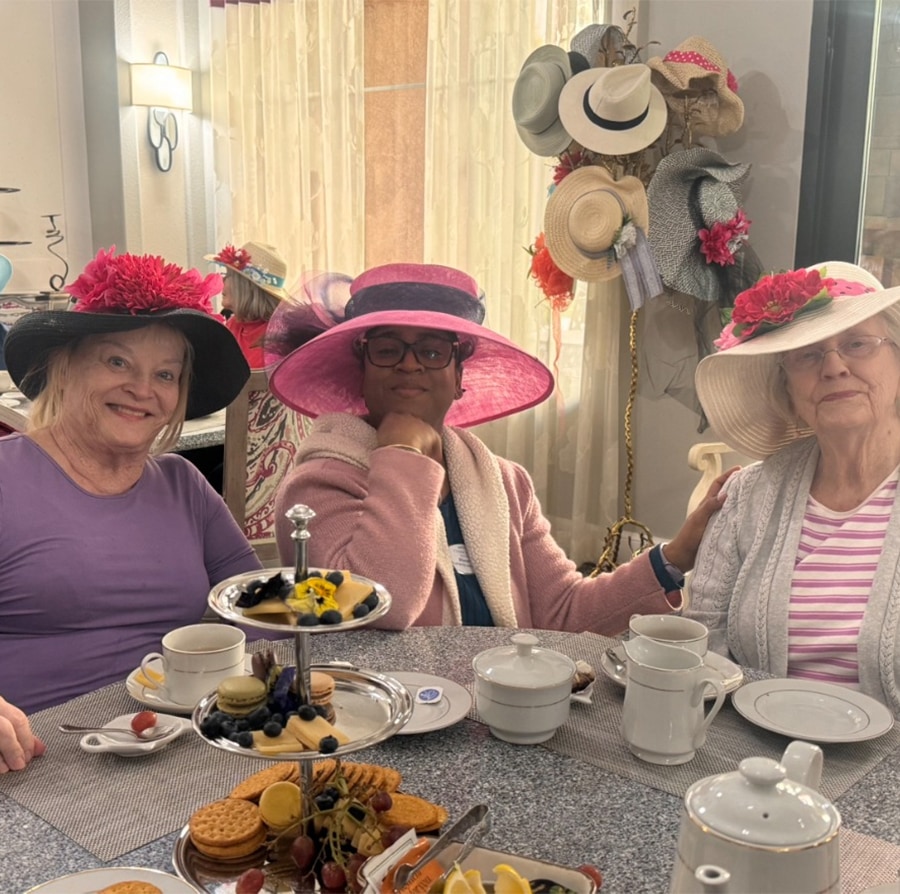
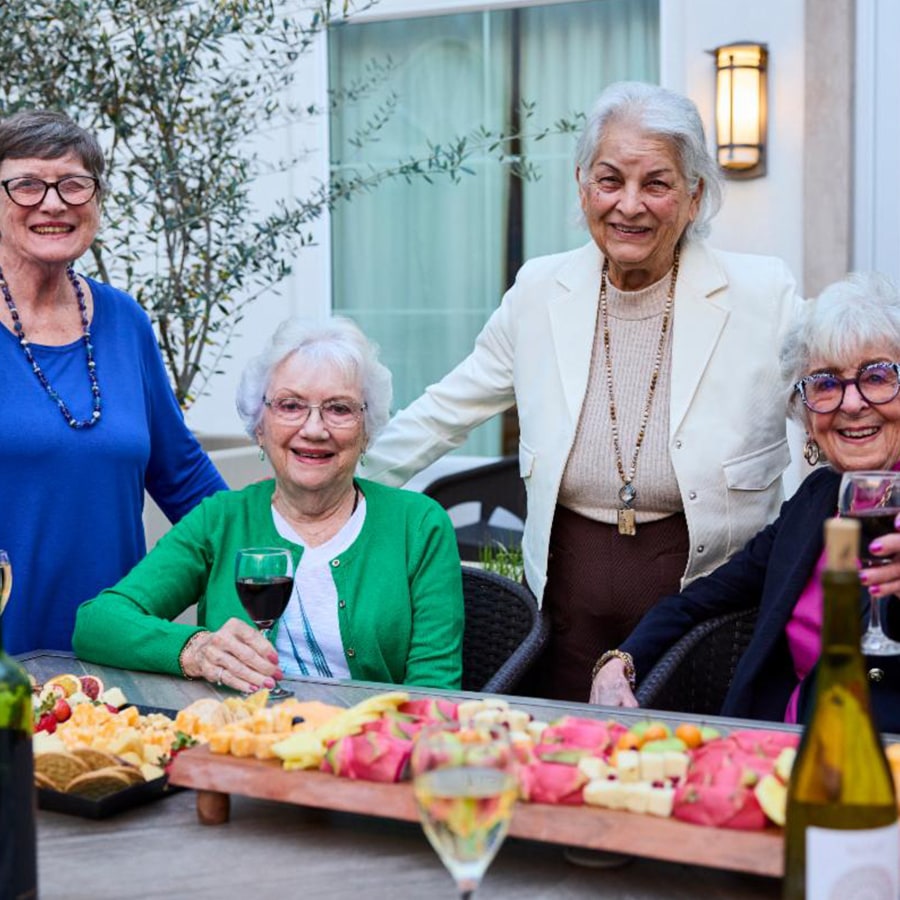
Many older adults feel more motivated to stay active when movement becomes a shared activity. Walking with family members, attending group classes, or joining wellness programs can help exercise feel more engaging and enjoyable. For some seniors, this companionship makes physical activity feel less intimidating and more rewarding.
Create a Comfortable and Safe Exercise Space
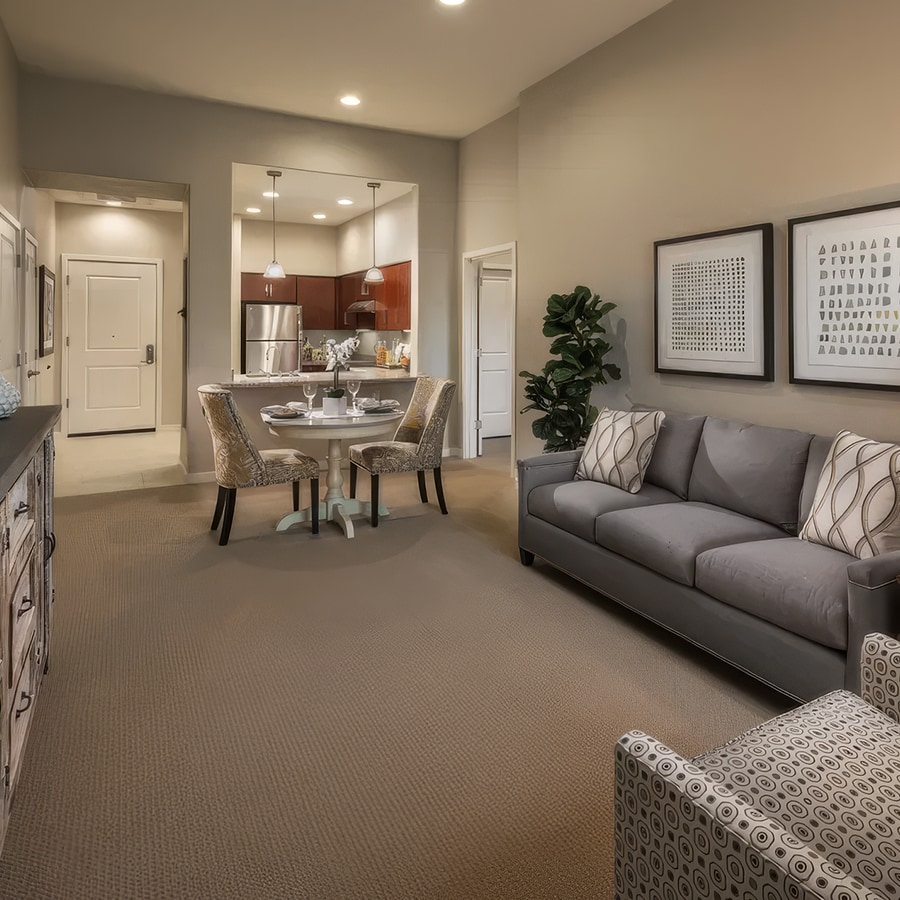
A safe environment can help older adults feel more confident about staying active at home. Clear walkways, supportive chairs, stable surfaces, and proper lighting can help reduce fall risks during exercise. Having a dedicated space to exercise makes the activity more approachable, which reduces the chances of your loved one giving up.
A Lifestyle That Supports Your Loved One’s Active Life
Low-impact exercise can help older adults maintain mobility, confidence, flexibility, and daily independence without placing unnecessary strain on the body. Activities like walking, stretching, tai chi, and chair exercises offer approachable ways to stay active while supporting long-term wellness. In many cases, consistency and comfort matter far more than intensity.
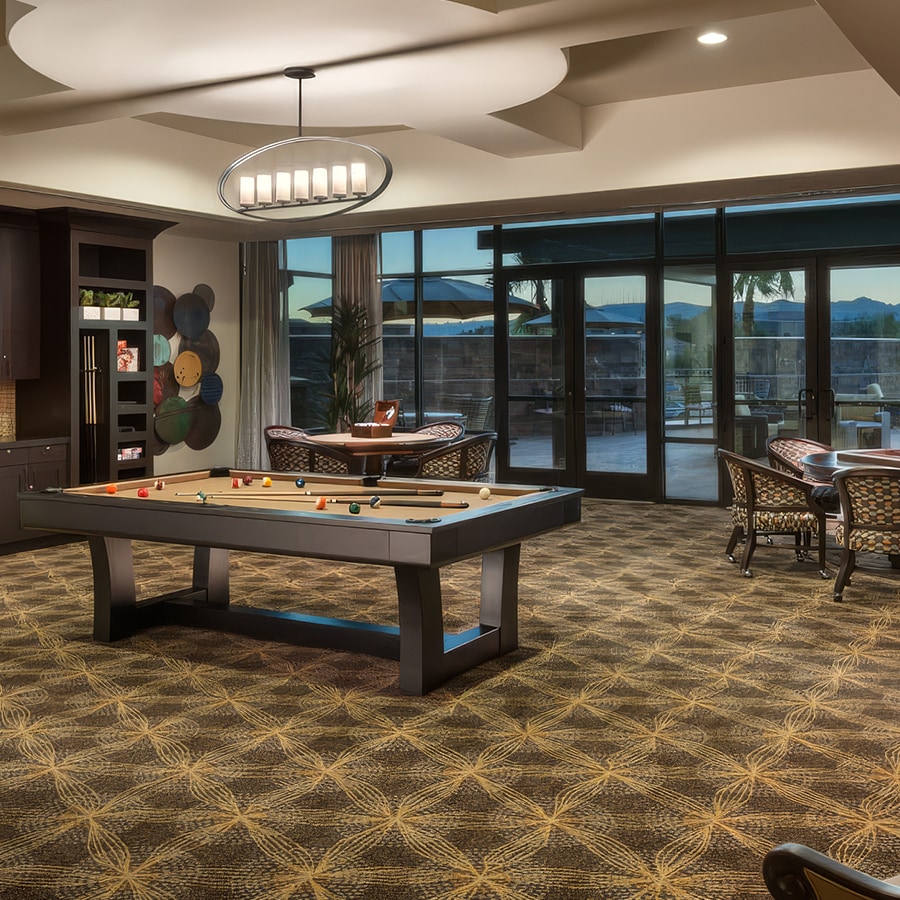
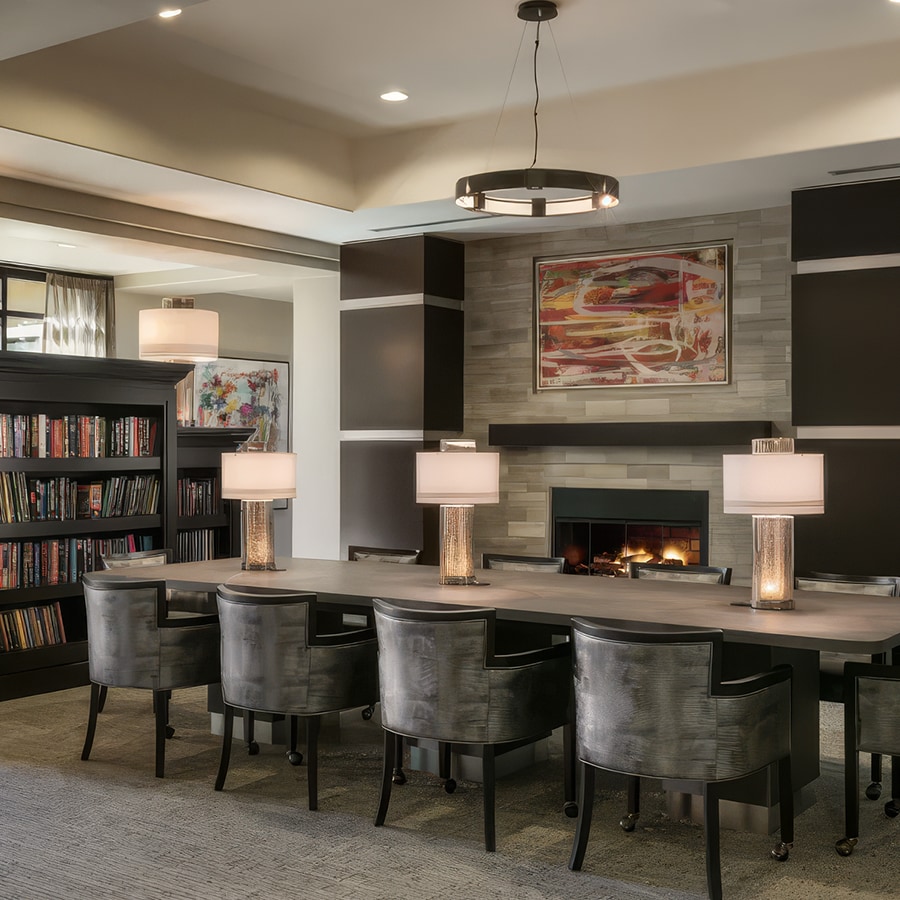
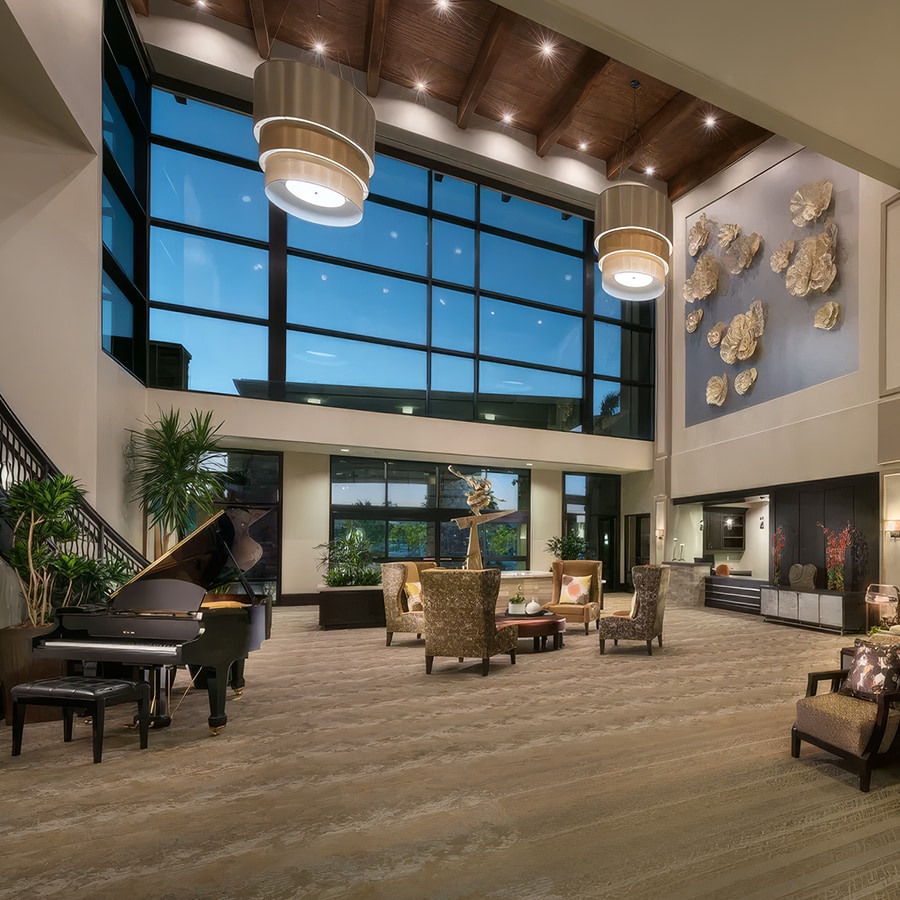
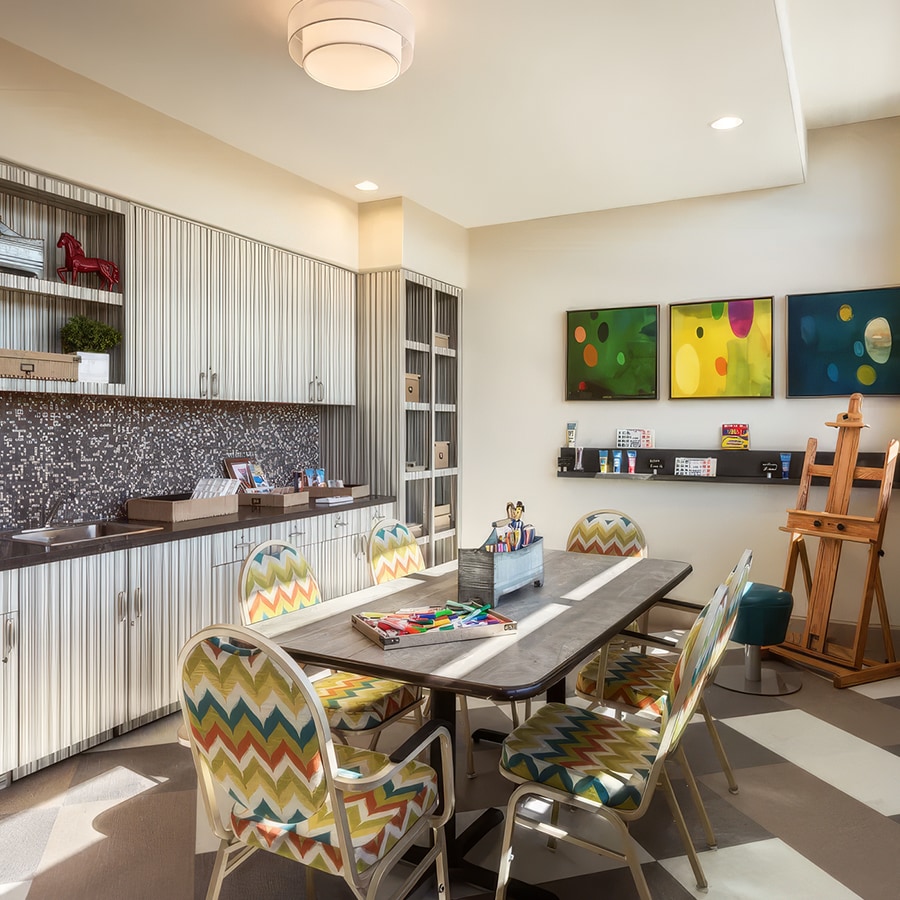
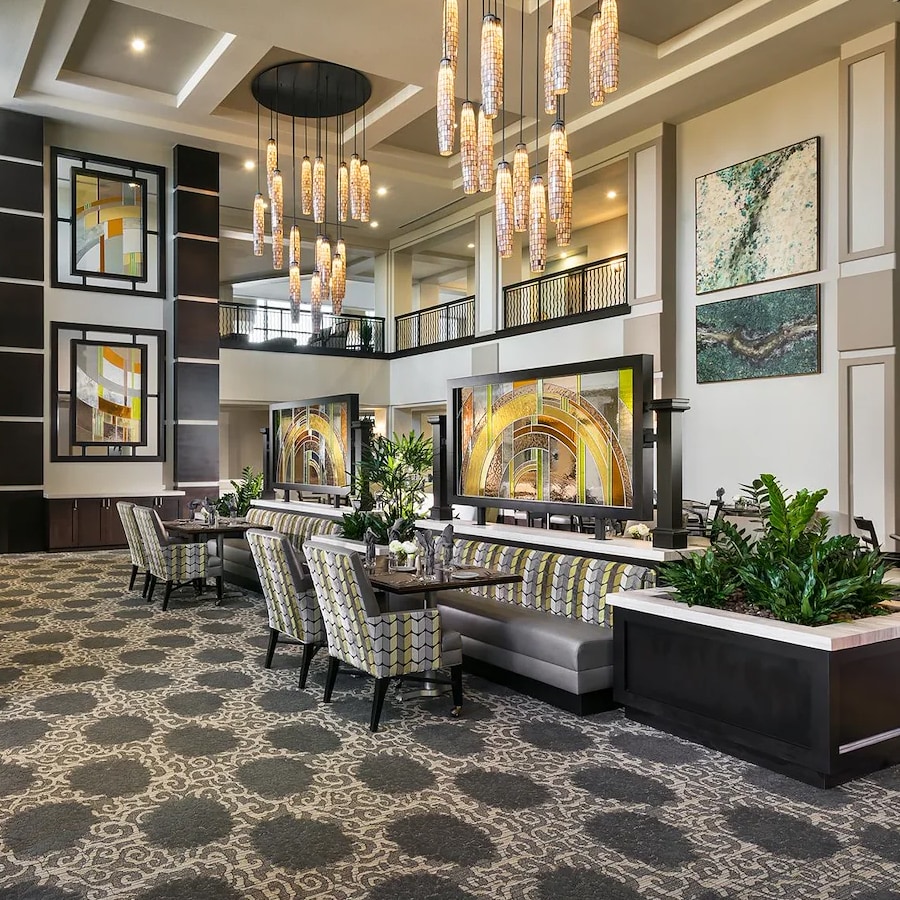
At Clearwater Ahwatukee, wellness-focused experiences, supportive environments, and opportunities for daily engagement help residents stay active. Whether through our movement programs, social opportunities, or thoughtfully designed spaces, older adults can continue building routines that support both physical and emotional well-being. Schedule a tour today to learn more about active senior living at Clearwater Senior Living Ahwatukee.